Featured
The Facts About How to Never Return to Future Debt Cycles...
The 45-Second Trick For Documents to Gather When Pursuing...
The Buzz on Exploring Best Budgeting Apps & Debt Payoff T...
Some Known Questions About Being Cautious from Fraudulent...
Some Known Questions About Being Cautious from Fraudulent Operators.
Table of Contents
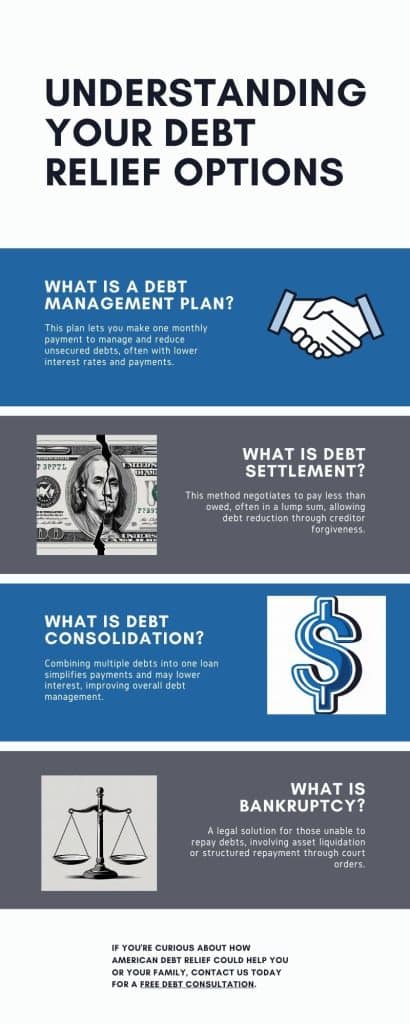
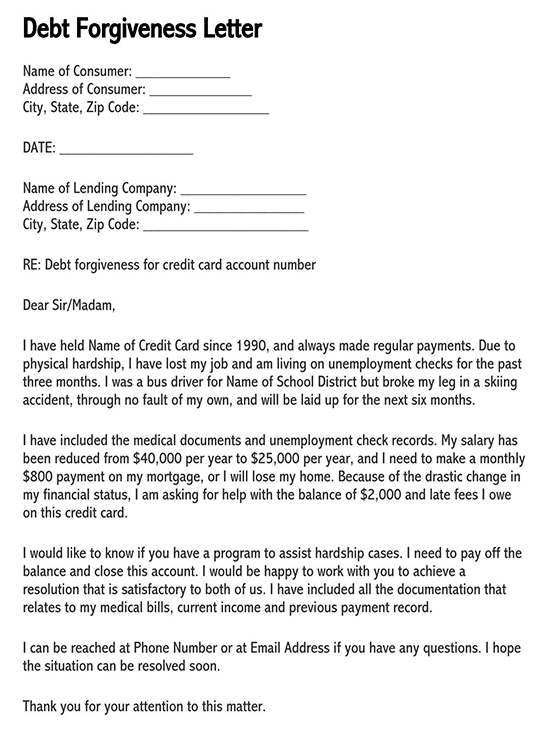
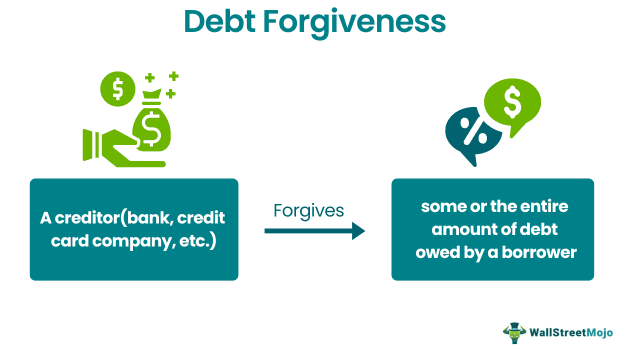
That releases up money in the brief term, and you might have three to 4 years to save toward the settlement amount. Extremely harmful to credit report, mainly because of missed payments and an adverse "resolved" mark that can remain on your credit score record for up to seven yearsMay be only alternative if other alternatives (debt consolidation, equilibrium transfer bank card, financial debt mercy) aren't possibleTypically calls for a fee to the 3rd party, which can counter some or all of the cost savings from financial debt settlementMay assist you avoid personal bankruptcy if you have actually missed out on a number of paymentsNot all financial institutions work with debt settlement firms Financial obligation forgiveness might be right for you if you are experiencing a monetary hardship that makes it nearly impossible to pay for your debt balances.
With a DMP, you make one month-to-month repayment to the credit history therapy firm. Those funds are after that dispersed to lenders of your unsecured financial debts, such as credit scores cards and installment finances. The agency functions with your lenders to reduce rates of interest or waive costs, however some creditors might refuse such concessions.
A financial debt consolidation car loan combines your eligible debts into one brand-new lending. It can aid you pay for financial debt if you're able to protect a funding rate that's lower than the ordinary rate of the accounts you're combining. You have to abstain from racking up financial debt on those recently gotten rid of accounts or your debt could grow also greater.
These cards frequently offer a 0% passion introductory duration of as much as 21 months. That provides you lots of time to eliminate or significantly minimize your balance while making interest-free settlements. For some individuals dealing with overwhelming financial debt, insolvency may be the only means to quit collection process and legally solve their financial obligations.
The 4-Minute Rule for Regional Programs for Financial Assistance
You may require it if your creditor or a debt collection agency ever before tries to gather on the debt in the future. The letter can confirm you do not owe what the debt collection agency's records reveal. Yes, most of the times, the internal revenue service thinks about forgiven debt as gross income. When a lending institution forgives $600 or even more, they are needed to send you Form 1099-C.
Debt forgiveness or settlement nearly constantly harms your credit report. Anytime you work out a financial debt for less than you owe, it might show up as "worked out" on your credit rating record and influence your credit report for 7 years from the day of negotiation. Your debt can also go down considerably in the months causing the mercy if you fall back on repayments.
Things about Value Compared to Going It Alone Options
Tax financial obligation compromise programs Tax financial obligation happens when the amount of taxes you owe exceeds what you have paid. This situation usually arises from underreporting earnings, not filing returns promptly, or disparities located throughout an internal revenue service audit. The repercussions of building up tax debt are significant and can consist of tax liens, which provide the IRS a lawful case to your residential property as safety and security for the financial obligation.
Wages and Bank Accounts Internal revenue service can levy (take) earnings and financial institution accounts to satisfy the debt. Home Seizure In severe situations, the Internal revenue service can seize and market home to cover the financial debt.
Depression, anxiousness, and other mental wellness problems. Social Stigma Facing legal action from the IRS can bring social stigma. Damages to reputation and connections. Work Opportunities A poor credit rating due to strain financial obligation can limit employment possibilities. Problem finding or maintaining a work. Federal government Benefits Tax financial obligation may influence qualification for government advantages, such as Social Safety and Medicaid.
How Rebuilding Personal Financial Standing After How Strategic Goal Setting Can Transform Your Debt Elimination Journey : APFSC can Save You Time, Stress, and Money.
The OIC takes into consideration several aspects, consisting of the taxpayer's revenue, expenditures, possession equity, and ability to pay. Successfully bargaining an OIC can be intricate, requiring a complete understanding of the internal revenue service's guidelines and a strong argument for why your offer lines up with your capacity to pay. It is essential to keep in mind that not all applications are approved, and the procedure needs detailed financial disclosure.
The IRS assesses your total economic situation, including your income, expenses, property equity, and capacity to pay. You should likewise be current with all declaring and payment needs and not be in an open insolvency proceeding. The IRS likewise considers your compliance background, evaluating whether you have a record of timely declaring and paying taxes in previous years.
The Greatest Guide To Worth vs Self-Guided Methods
The application process for a Deal in Concession includes a number of comprehensive actions. You must finish and submit IRS Kind 656, the Deal in Compromise application, and Form 433-A (OIC), a collection details declaration for people. These types require detailed financial information, including information concerning your income, financial debts, expenditures, and possessions.
Back taxes, which are unpaid taxes from previous years, can significantly boost your overall IRS financial obligation otherwise attended to quickly. This financial obligation can build up passion and late settlement fines, making the initial amount owed much bigger with time. Failure to repay tax obligations can result in the internal revenue service taking enforcement activities, such as releasing a tax obligation lien or levy versus your building.
It is necessary to address back tax obligations asap, either by paying the full amount owed or by arranging a layaway plan with the internal revenue service. By taking positive steps, you can avoid the buildup of added interest and penalties, and prevent a lot more aggressive collection activities by the IRS.
One typical reason is the belief that the taxpayer can pay the complete amount either as a round figure or through a repayment plan. The IRS likewise considers the taxpayer's income, expenses, possession equity, and future earning possibility. If these elements show that the taxpayer can afford to pay greater than the offered amount, the IRS is most likely to turn down the deal.
The Facts About Shielding Yourself from How Strategic Goal Setting Can Transform Your Debt Elimination Journey : APFSC Predatory Practices Revealed
It is critical to offer accurate and total information in your application and to talk to a tax obligation specialist to improve the opportunities of acceptance. Taking care of internal revenue service financial debt can be complicated and overwhelming. Tax obligation experts, such as CPAs, tax attorneys, or enrolled representatives, can provide important aid. They have the experience to browse the intricacies of tax law and internal revenue service procedures.

Table of Contents
Latest Posts

The Facts About How to Never Return to Future Debt Cycles After I’m Not Behind on Payments Yet. Can I Still Enroll in a Debt Relief Program? : APFSC Uncovered
The 45-Second Trick For Documents to Gather When Pursuing Bankruptcy Counseling
The Buzz on Exploring Best Budgeting Apps & Debt Payoff Tools in 2024
More
Latest Posts
The 45-Second Trick For Documents to Gather When Pursuing Bankruptcy Counseling
The Buzz on Exploring Best Budgeting Apps & Debt Payoff Tools in 2024